
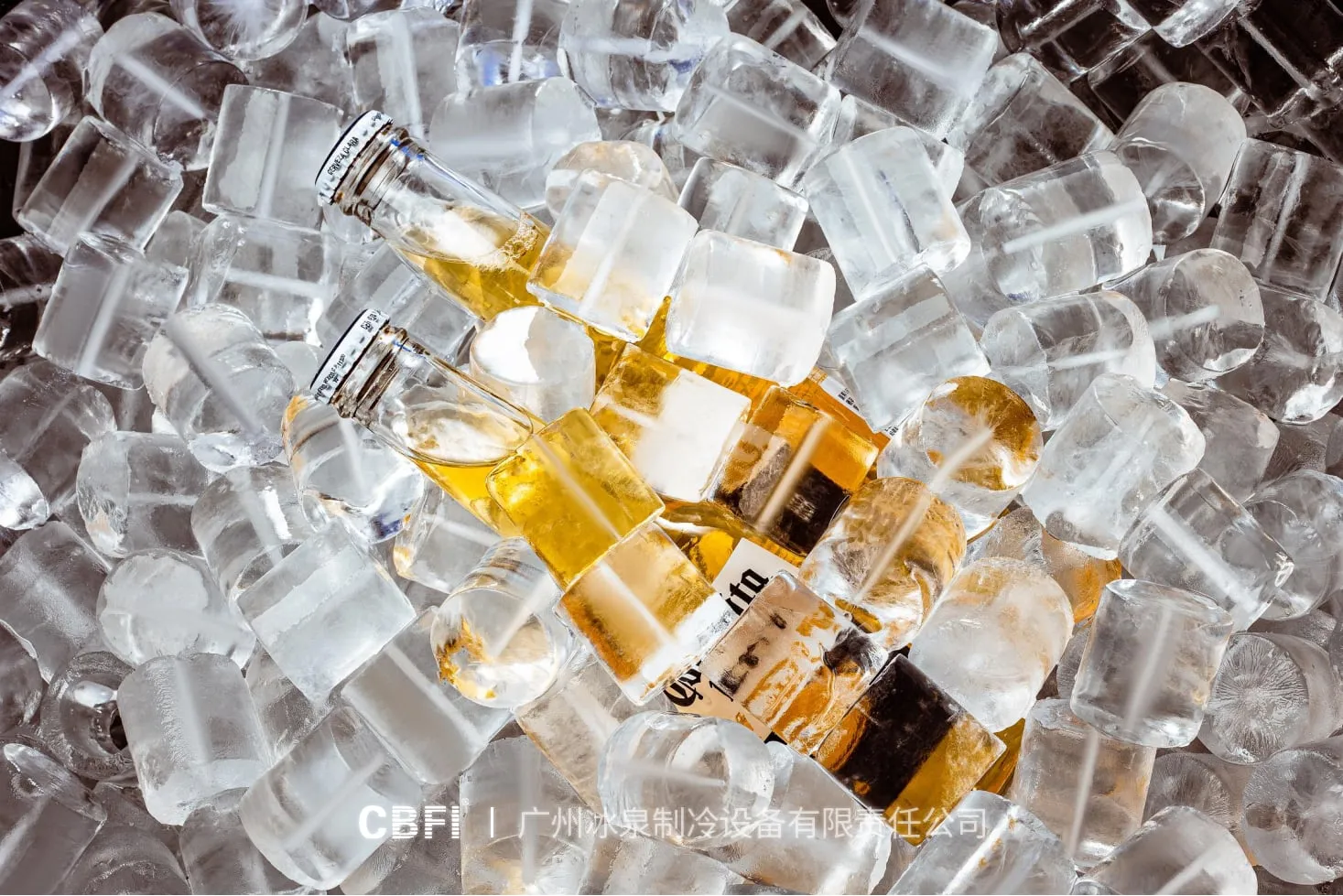
What Causes Thin Tube Ice?
Thin or hollow tube ice is typically caused by one or more of the following factors:
Insufficient refrigerant charge
Condenser fouling and poor heat dissipation
Clogged filters restricting circulation
Incorrect operating parameter settings
By systematically checking these areas, most tube ice thickness issues can be resolved quickly and effectively.
1. Insufficient Refrigerant Charge
Symptoms
Thin ice wall thickness
Hollow tube ice
Reduced ice production
Lower evaporating pressure
Root Cause
Small refrigerant leaks may occur due to:
Aging valve seals
Loose fittings
Micro-cracks in piping
Long-term vibration fatigue
When the refrigerant charge falls below the rated amount specified by the manufacturer, evaporating pressure decreases and the evaporator cannot absorb sufficient heat. As a result, ice formation becomes thinner and production capacity drops.
Recommended Solution
Perform a complete pressure-holding leak test.
Identify and repair leakage points.
Recharge refrigerant according to the manufacturer's specified quantity.
Avoid estimating refrigerant charge by experience alone.
Proper refrigerant charging is critical to maintaining stable freezing performance and tube ice thickness.
2. Condenser Fouling and Reduced Heat Dissipation
Symptoms
High condensing pressure
Reduced refrigeration efficiency
Thin ice formation
Increased power consumption
Root Cause
Poor heat dissipation is one of the most common causes of thin tube ice.
For water-cooled systems:
Scale buildup forms inside condenser tubes.
Mineral deposits create an insulating layer that reduces heat transfer efficiency.
For air-cooled systems:
Dust accumulates on condenser fins.
Airflow becomes restricted.
Heat rejection capacity decreases significantly.
When condenser performance deteriorates, the refrigeration system cannot operate efficiently, resulting in reduced freezing capacity and thinner ice.
Recommended Solution
For Water-Cooled Tube Ice Machines
Use food-grade descaling chemicals regularly.
Perform chemical cleaning of condenser tubes every 3–6 months.
Inspect water quality and hardness levels.
For Air-Cooled Tube Ice Machines
Clean condenser fins monthly.
Remove dust, grease, and debris using compressed air.
Ensure adequate ventilation around the unit.
Regular condenser maintenance helps maintain rated production capacity and energy efficiency.
3. Clogged Filters Restricting System Circulation
Symptoms
Slow ice growth
Reduced water flow
Lower refrigeration performance
Unstable operating conditions
Root Cause
Over time, impurities accumulate inside:
Water filters
Refrigerant filter driers
When filters become clogged:
Water supply decreases.
Refrigerant circulation becomes restricted.
Heat exchange efficiency drops.
This directly affects ice formation and can result in thin tube ice.
Recommended Solution
Replace water filters according to maintenance schedules.
Replace refrigerant filter driers when required.
Monitor pressure differential across filters.
Keep maintenance records for periodic inspection.
Preventive replacement is significantly less expensive than downtime caused by blocked circulation.
4. Incorrect Operating Parameters
Symptoms
Ice harvest starts too early
Thin ice walls
Reduced ice weight
Unstable ice thickness
Root Cause
Some operators attempt to increase production by manually adjusting:
Ice thickness timer
Evaporating pressure settings
Temperature control parameters
Ice harvest timing
However, settings that deviate from factory calibration may interrupt the freezing cycle before the ice shell has fully developed.
The result is thinner tube ice and reduced product quality.
Recommended Solution
Restore original factory settings.
Follow manufacturer operating guidelines.
Avoid unauthorized parameter adjustments.
Contact professional technicians for calibration if necessary.
Factory settings are developed through extensive testing and should not be modified without technical evaluation.
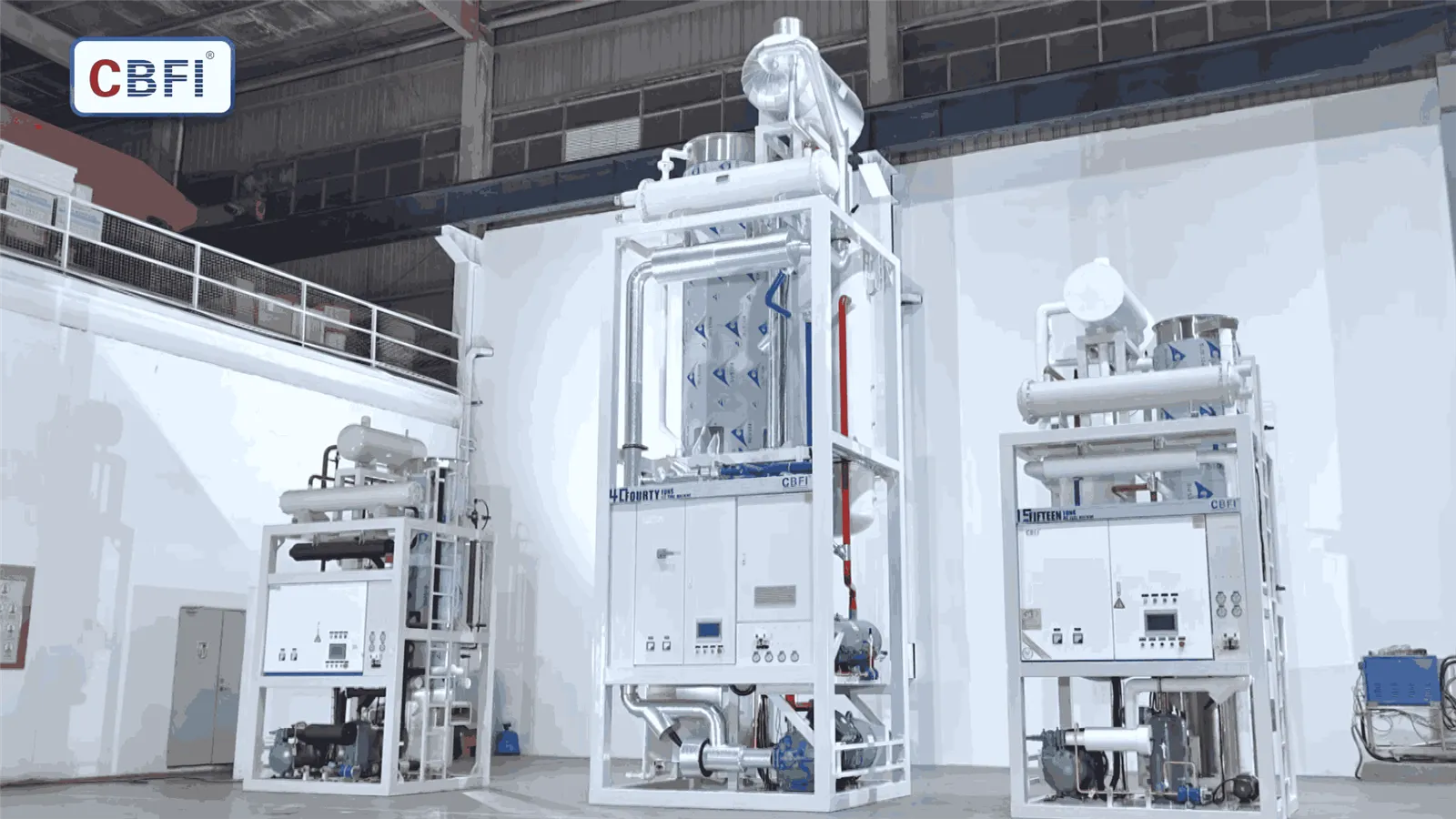
Refrigerant Charging Guide for Tube Ice Machines
If refrigerant shortage has been confirmed, refrigerant replenishment is necessary.
However, improper charging procedures can cause serious compressor damage.
⚠️ Safety Notice
Refrigerant charging involves high-pressure systems and chemical hazards. All maintenance work should be performed by qualified refrigeration technicians following local regulations and industry standards.
Step 1 – Connect the Charging Hose
Connect the charging hose to the service valve on the low-pressure side of the refrigeration system.
Step 2 – Start the Machine
Run the tube ice machine and wait until it reaches a stable ice-making condition.
Step 3 – Add Refrigerant Gradually
Open the charging valve slowly.
Add refrigerant in small increments while continuously monitoring:
Suction pressure
Discharge pressure
System operating conditions
Never open the charging valve fully.
Excessive refrigerant flow can cause:
Compressor oil washout
Liquid slugging
Compressor failure
Preventive Maintenance Tips for Tube Ice Machines
Many operators attempt to solve thin ice problems simply by extending the freezing cycle.
In reality, this often masks the underlying issue and may increase energy consumption.
A better troubleshooting sequence is:
Step 1
Check whether the water filter is clogged.
Step 2
Inspect condenser cleanliness and airflow conditions.
Step 3
Verify refrigerant pressure and charge level.
Step 4
Review operating parameters and control settings.
Following a systematic maintenance process helps restore performance while avoiding unnecessary repairs.
Frequently Asked Questions (FAQ)
Why is my tube ice machine producing thin ice?
The most common causes are refrigerant shortage, condenser fouling, clogged filters, and incorrect operating parameters.
Can low refrigerant cause hollow tube ice?
Yes. Insufficient refrigerant reduces evaporator cooling capacity and often results in thin or hollow tube ice.
How often should a tube ice machine condenser be cleaned?
Air-cooled condensers should generally be cleaned monthly, while water-cooled condensers should be chemically descaled every 3–6 months depending on water quality.
Does a clogged water filter affect ice thickness?
Yes. Reduced water flow decreases heat transfer efficiency and can lead to thinner ice formation.
Can I recharge refrigerant by myself?
Refrigerant handling involves high-pressure systems and should only be performed by trained technicians using appropriate tools and safety procedures.
Professional After-Sales Support from CBFI
Proper maintenance extends equipment lifespan, improves energy efficiency, and minimizes unexpected downtime.
If you require assistance with:
Refrigerant leak detection
Refrigerant charging
Parameter calibration
Condenser cleaning
Tube ice machine troubleshooting
please contact the CBFI after-sales service team or your local authorized service partner.
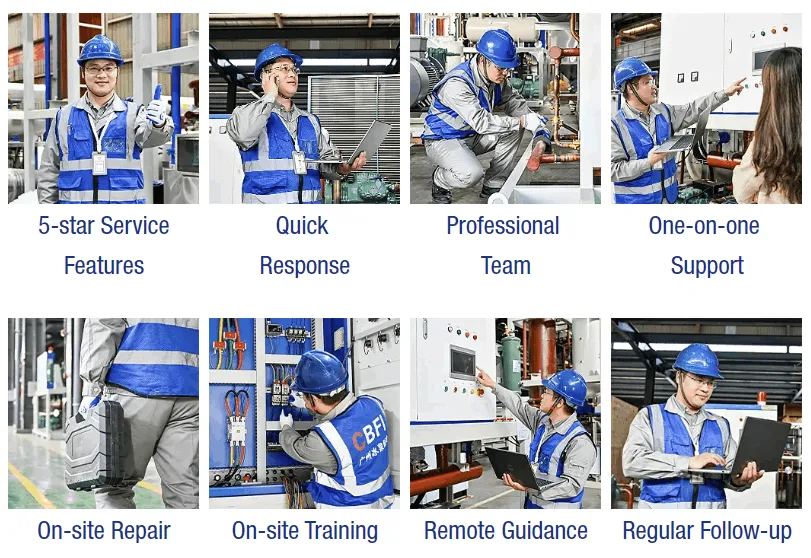
CBFI Global After-Sales Service Center
📞 Phone / WhatsApp: +86 18026221690
Technical support available through:
Remote troubleshooting
Online engineering consultation
On-site maintenance service
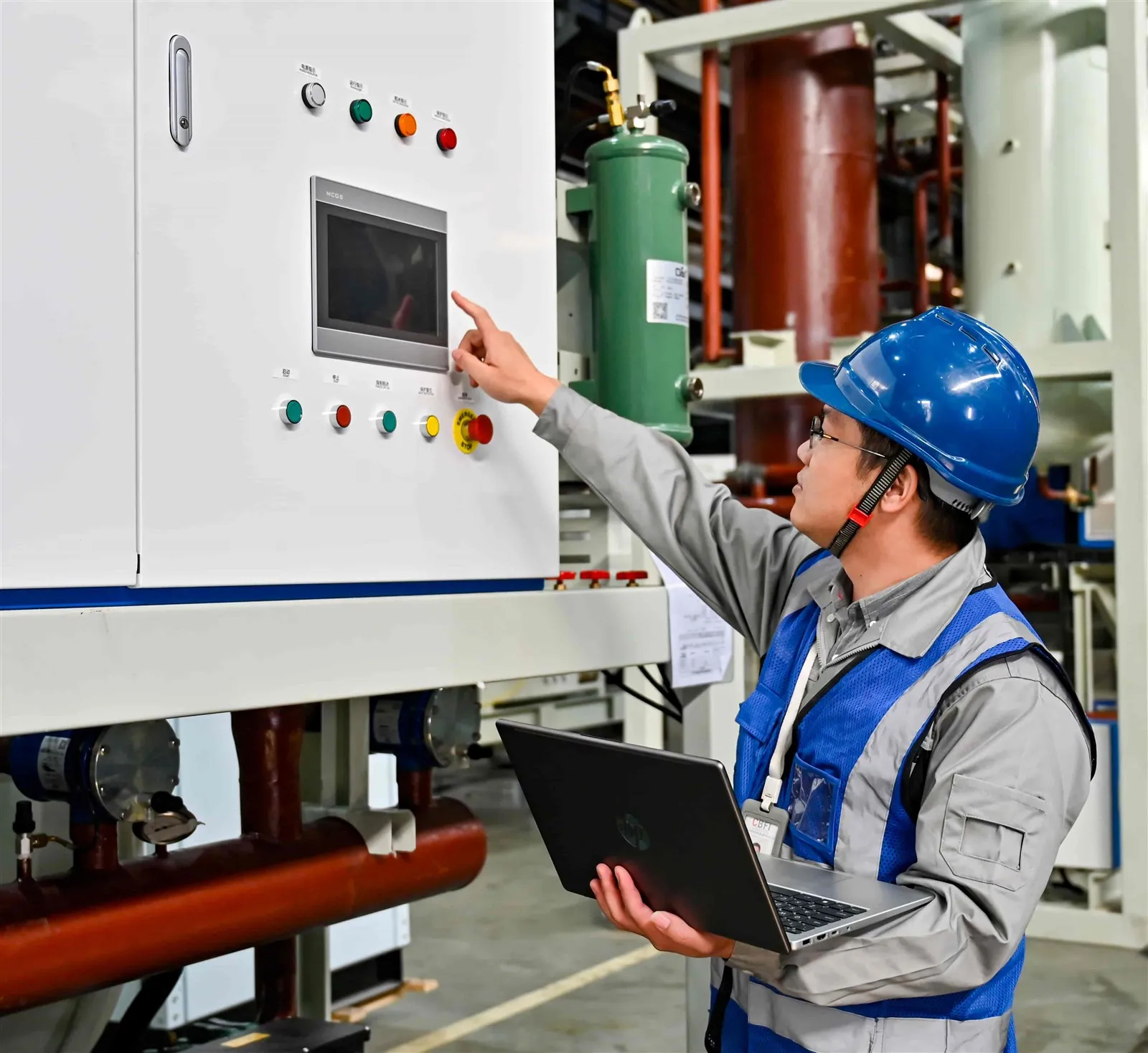
About CBFI
Guangzhou Icesource Co., Ltd. (CBFI) specializes in industrial ice machines, tube ice machines, flake ice machines, block ice machines, IQF freezers, spiral freezers, and cold storage engineering solutions.
With more than 22 years of industry experience and customers in over 170 countries and regions, CBFI is committed to providing reliable refrigeration equipment and professional after-sales support for the global food processing and cold chain industry.
CBFI Service Philosophy:
Every customer issue matters. We are committed to providing timely, professional, and reliable support whenever you need it.