
Refrigeration and Biodiversity: The Role of Cold Chain Efficiency
In seafood logistics, freshness loss begins immediately after fish are harvested.
Without effective temperature control:
Microbial activity increases rapidly
Muscle tissue degrades
Water loss and texture deterioration occur
Commercial value decreases significantly
These losses often lead to higher fishing intensity to compensate for economic loss, which further increases pressure on marine ecosystems.
Improving cold chain efficiency helps reduce this cycle.
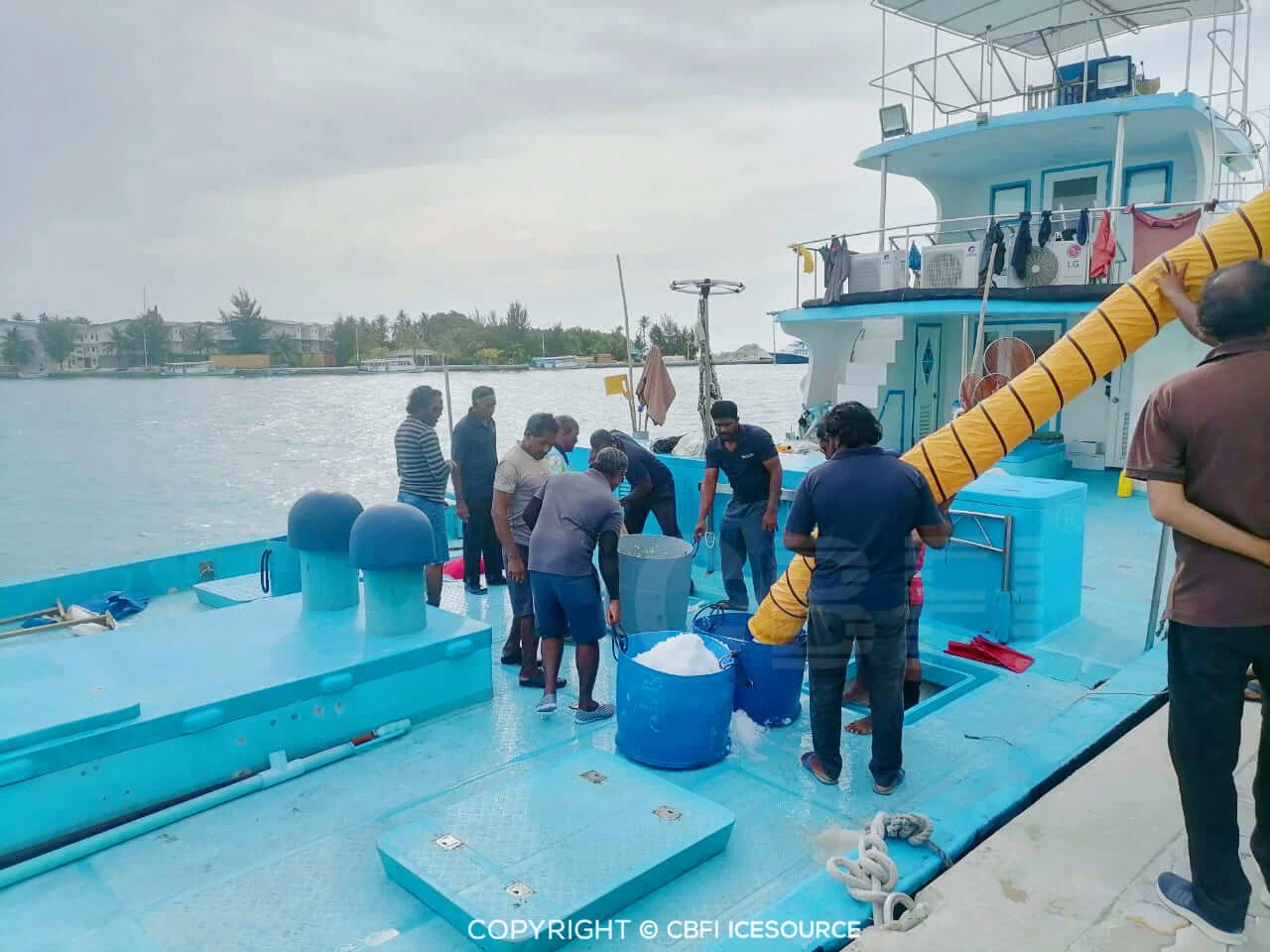
IceSource (CBFI) Refrigeration Solutions in Seafood Preservation
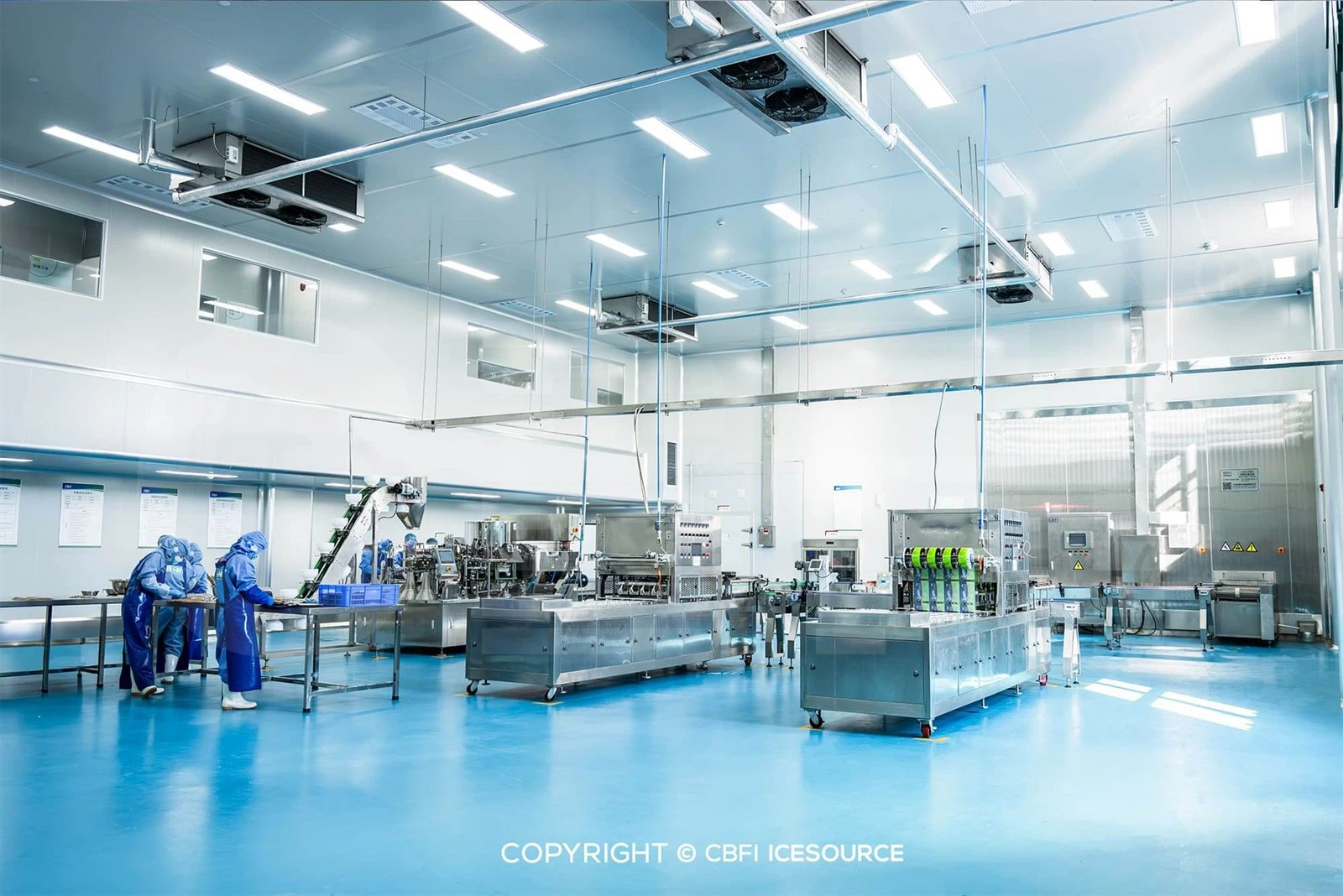
CBFI provides industrial refrigeration and quick freezing systems used in fisheries, seafood processing, and cold chain logistics.
The core goal is to stabilize temperature control from harvest to processing, reducing unnecessary product loss.
1. Flake Ice and Tube Ice Systems for Pre-Cooling
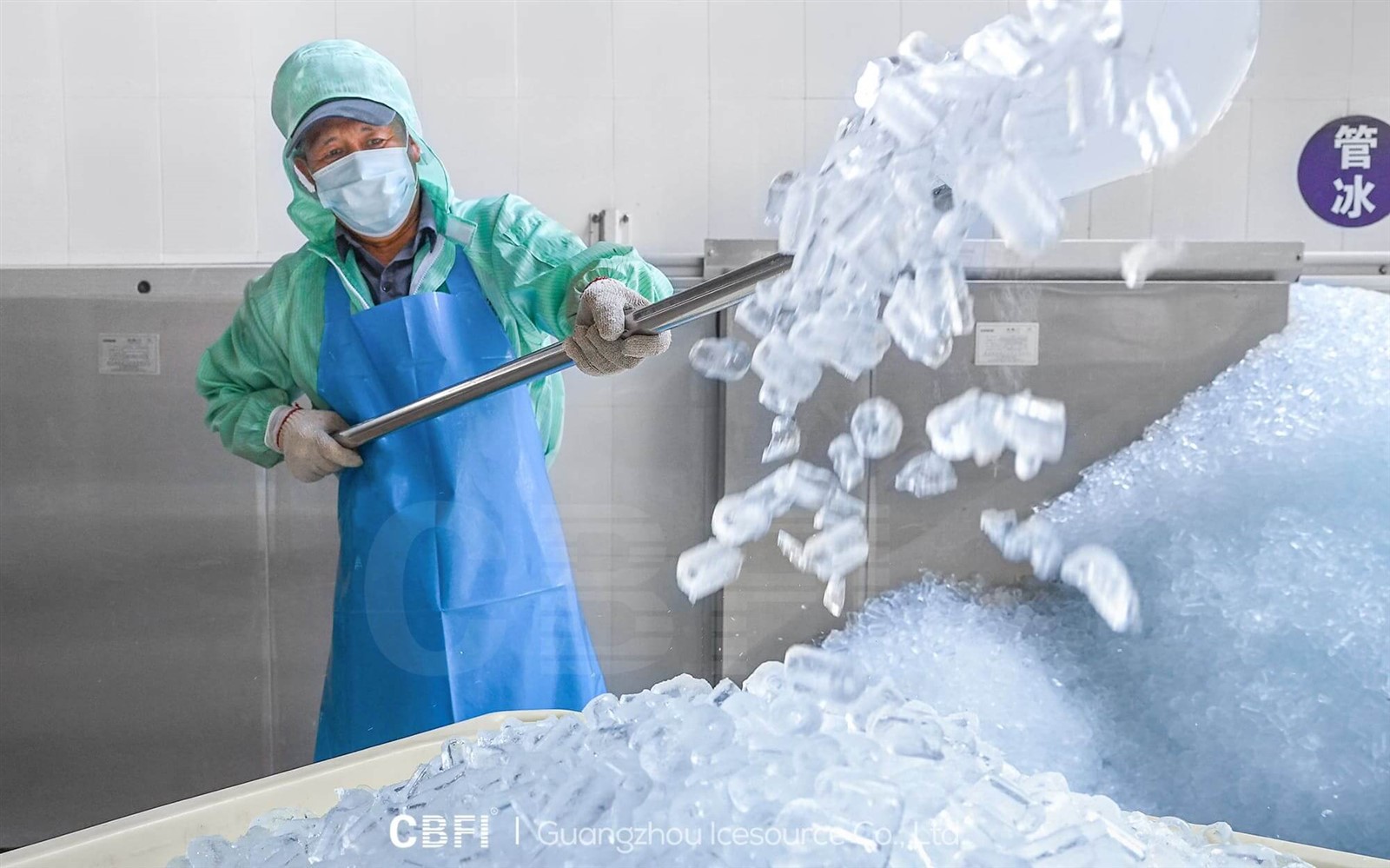
Flake ice and tube ice are widely used in fishing ports and processing plants for rapid pre-cooling of seafood.
Flake ice system characteristics:
Thin ice structure with large contact surface
Rapid heat exchange with fish surface
Suitable for immediate post-harvest cooling
Helps reduce temperature shock and surface damage
Tube ice system characteristics:
High density and slow melting rate
Suitable for long-distance transport and storage
Maintains cooling performance during logistics
Reduces melting loss in distribution
These systems are commonly used in offshore fishing, port storage, and seafood logistics centers.
Project Applications
CBFI refrigeration systems have been deployed in multiple seafood regions:
Fishing port installations in island and coastal regions with flake ice production and storage systems
Southeast Asia seafood processing plants using tube ice systems for continuous supply
Cold chain facilities integrating ice production and automated conveying systems
In practical applications, these systems help stabilize temperature control during unloading, storage, and transport stages.
2. Quick Freezing Systems for Seafood Processing
After pre-cooling, seafood enters industrial quick freezing systems for long-term preservation.
CBFI provides spiral and tunnel freezing systems designed for continuous industrial production.
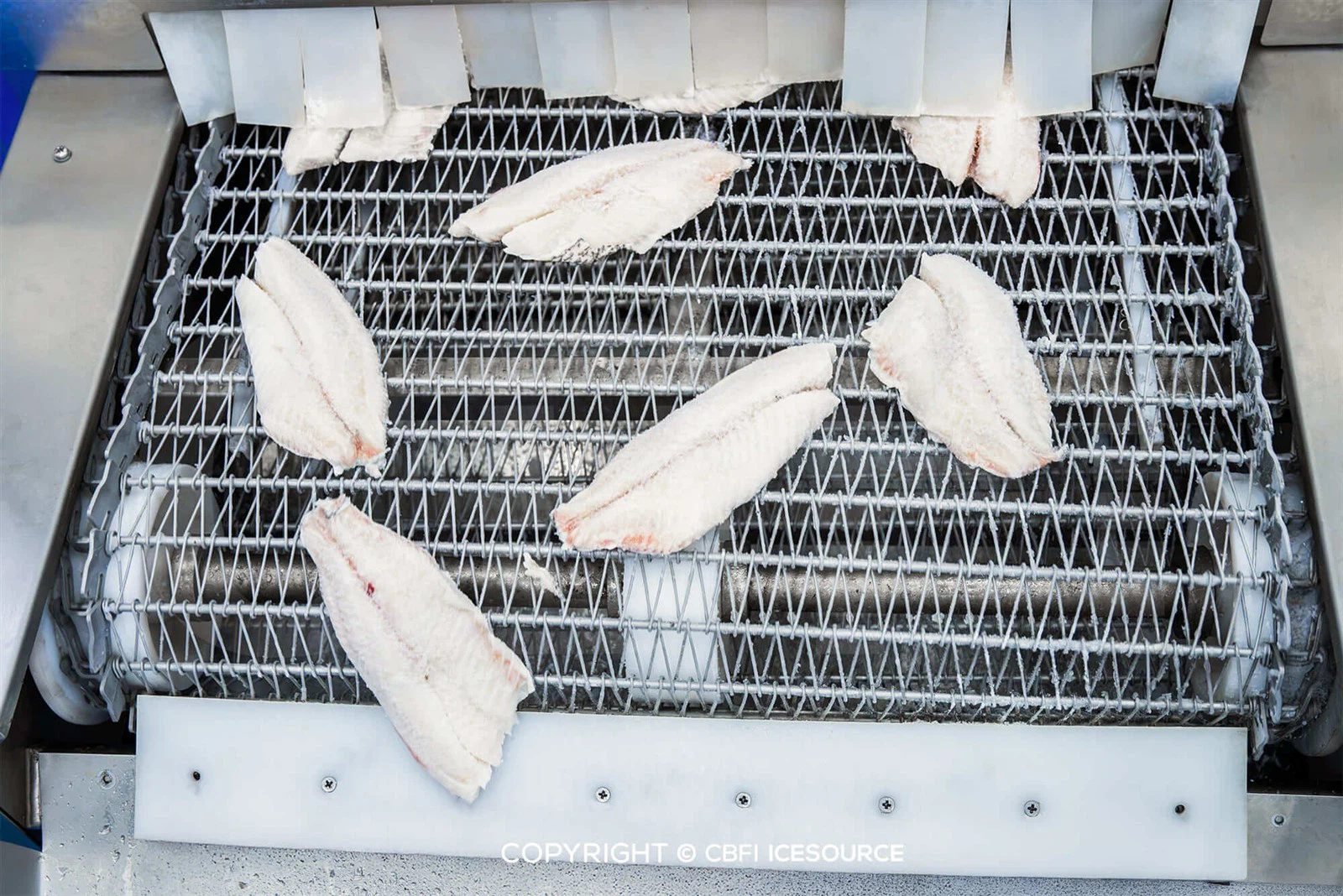
Key process characteristics:
Low-temperature airflow typically below -35°C
Rapid passage through ice crystal formation stage
Controlled freezing to reduce cellular damage
Suitable for high-volume seafood processing lines
Compared with slow freezing methods, rapid freezing helps preserve:
Texture structure
Moisture retention
Nutritional quality after thawing
Industrial outcomes observed in processing plants:
In seafood processing operations across Southeast Asia:
Export qualification rates improved after upgrading freezing systems
Product consistency became more stable across batches
Waste rates were reduced due to improved freezing quality control
These improvements are primarily linked to more stable temperature control during freezing.
3. Energy Efficiency and Green Refrigeration Design
Refrigeration systems are energy-intensive industrial equipment. Their environmental impact is closely related to energy consumption and refrigerant selection.
CBFI systems incorporate several design approaches aimed at reducing environmental impact:
Use of low-GWP and environmentally compliant refrigerants (CO₂ / NH₃ systems depending on application)
Waste heat recovery in selected system configurations
High-efficiency heat exchange structures to reduce energy loss
Corrosion-resistant stainless steel components for coastal environments
These measures improve system durability and reduce lifecycle energy consumption.
Refrigeration and Environmental Impact
While refrigeration technology supports food preservation, it also plays a role in reducing waste across supply chains.
By reducing seafood spoilage rates, cold chain systems help:
Lower unnecessary fishing pressure
Improve utilization of harvested seafood
Reduce transportation and processing waste
Support more stable supply chain planning
This contributes indirectly to more efficient resource use in marine ecosystems.
Integrated Value for Seafood Supply Chains
CBFI refrigeration solutions are used across:
Fishing ports
Seafood processing plants
Cold storage facilities
Cold chain logistics hubs
The system supports:
Rapid post-harvest cooling
Stable long-term freezing
Reduced product loss during transport
Improved efficiency in seafood utilization
Conclusion
Biodiversity protection is closely linked to efficiency in global food supply chains.
In seafood industries, reducing waste and improving cold chain performance directly contributes to lower resource pressure on marine ecosystems.
Industrial refrigeration systems, when properly designed and deployed, play a supporting role in improving efficiency and reducing unnecessary loss in seafood production and logistics.
CBFI continues to develop refrigeration and freezing technologies aimed at improving energy efficiency, stabilizing cold chain systems, and supporting more sustainable seafood supply operations.